
Schwinn Bicycle Manual: A Comprehensive Guide
Schwinn crafted numerous models throughout history, demanding a detailed guide; this manual explores Schwinn’s legacy, from classic bikes to restoration insights.
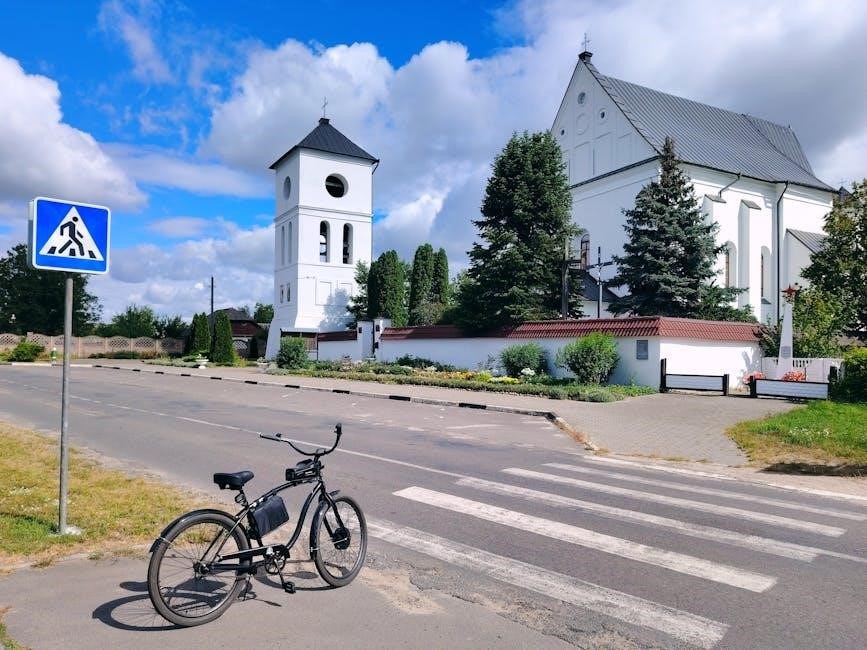
Schwinn bicycles represent a significant chapter in American cycling history, embodying innovation, durability, and a distinctly American aesthetic. For generations, Schwinn has been synonymous with quality bicycles, becoming a household name and a symbol of freedom and recreation. This manual serves as a comprehensive resource for enthusiasts, collectors, and anyone seeking to understand the enduring legacy of Schwinn.
From humble beginnings in Chicago in 1895, Schwinn quickly rose to prominence, pioneering advancements in bicycle design and manufacturing. Iconic models like the Collegiate, Varsity, and Traveler became cultural touchstones, reflecting the evolving lifestyles and aspirations of the American public. This guide delves into the rich history of the brand, exploring its key innovations, influential models, and the factors that contributed to its lasting success. Whether you’re a seasoned cyclist or a curious newcomer, this manual will provide valuable insights into the world of Schwinn bicycles.
Historical Overview of Schwinn
Founded in 1895 by Ignaz Schwinn, the Schwinn Bicycle Company initially imported bicycles before beginning domestic production. Early success stemmed from durable, high-quality bicycles catering to a growing American market. The early 20th century saw Schwinn innovate with features like balloon tires, enhancing rider comfort and solidifying their reputation.
Post-World War II, Schwinn dominated the American bicycle landscape, producing iconic cruisers like the Varsity and Collegiate. These models defined a generation, becoming symbols of youthful freedom. The 1970s brought challenges with increased competition from overseas manufacturers. Despite these hurdles, Schwinn continued to evolve, adapting to changing market demands. Throughout its history, Schwinn has consistently strived for innovation and quality, leaving an indelible mark on the cycling world and American culture, producing dozens of different models over the years.
Schwinn Bicycle Model Years and Dating
Determining a Schwinn bicycle’s age requires careful examination of its features and, crucially, the serial number. Schwinn production spanned over a century, with models evolving significantly over time. Identifying key components – such as the drivetrain, brakes, and frame details – can provide initial clues to the approximate year of manufacture.
However, the serial number remains the most reliable method for accurate dating. Prior to 1976, Schwinn utilized a different serial number format than after. The adoption of ordinal dating in 1976 simplified the process, but understanding both systems is essential. Some Japanese Schwinn models may exhibit an “X” within the serial number’s month position. Consulting vintage Schwinn guides and online resources is invaluable for deciphering these codes and pinpointing a bicycle’s production year.
Understanding Schwinn Serial Numbers
Schwinn serial numbers are vital for identifying a bicycle’s age, model, and origin. Located typically stamped on the underside of the bottom bracket shell, these numbers evolved over the decades. Before 1976, Schwinn employed a system requiring decoding based on letter and number combinations, indicating month and year of manufacture.
Post-1976, the system shifted to ordinal dating, offering a more straightforward method. However, variations exist, particularly with Japanese-built Schwinn bicycles, which may include an “X” in the serial number. Identifying the manufacturing location is also possible through serial number analysis. Accurate decoding requires referencing specific charts and guides, readily available through online forums and vintage bicycle resources. Understanding these nuances unlocks a wealth of information about your Schwinn.
Decoding Serial Number Formats (Pre-1976)
Prior to 1976, Schwinn serial numbers presented a complex code. These numbers typically consisted of letters and numbers, where the letters represented the month of manufacture – A for January, B for February, and so on. Following the letter was a number indicating the year. However, this system isn’t always linear; some years utilized repeating number sequences.
Decoding requires referencing specific charts detailing Schwinn’s production codes for each year. Variations existed, and accurate dating demands careful comparison. For example, a serial number starting with “H5” would suggest manufacture in August 1965. Understanding these pre-1976 formats is crucial for accurately dating older Schwinn models, requiring patience and access to reliable decoding resources.
Decoding Serial Number Formats (Post-1976)
After 1976, Schwinn transitioned to an ordinal dating system for domestic production, simplifying serial number interpretation. These numbers began with a letter indicating the month – 1 for January, 2 for February, and so forth, up to 12 for December. Following the month letter was a two-digit number representing the year of manufacture.
For instance, a serial number starting with “678” would signify June 1978 production. However, complexities arise with Japanese-made Schwinn bicycles, which sometimes include an “X” in the month position. This shift to ordinal dating provides a more straightforward method for determining a bicycle’s production date, though awareness of the Japanese variation remains essential for accurate identification.
Identifying Manufacturing Location from Serial Numbers
Schwinn serial numbers offer clues to the bicycle’s manufacturing origin, though decoding isn’t always straightforward. Pre-1976 numbers primarily indicate the date, not location. Post-1976, the presence of an “X” within the serial number often signals Japanese production, as some Japanese-built Schwinn bikes utilized this marker.
However, this isn’t a universal rule. Chicago-made Schwinn bicycles generally lack the “X”. As Schwinn expanded production to other locations, like Taiwan, identifying the origin becomes more challenging without supplemental documentation. Examining frame features, component sourcing, and head badge details can corroborate serial number findings, providing a more complete picture of the bicycle’s history and assembly location.
Popular Schwinn Bicycle Models
Schwinn produced a diverse range of bicycles, achieving iconic status with several key models. The Schwinn Collegiate, a campus cruiser, became synonymous with collegiate life. The Schwinn Varsity, an enduring American classic, offered reliable transportation for generations. For touring enthusiasts, the Schwinn Traveler was built for distance and comfort.
Stepping up in performance, the Schwinn Continental provided a refined riding experience. Lightweight and agile, the Schwinn Hornet appealed to riders seeking speed and maneuverability. Lastly, the Schwinn Bantam served as a popular and accessible youth model, introducing countless riders to the joy of cycling. These models represent Schwinn’s commitment to quality and enduring design.
Schwinn Collegiate: A Classic Campus Cruiser
The Schwinn Collegiate, introduced in the mid-20th century, quickly became a symbol of collegiate life and a beloved campus cruiser. Characterized by its stylish design and comfortable geometry, it offered students a practical and fashionable mode of transportation. Often featuring a distinctive step-through frame, the Collegiate prioritized ease of mounting and dismounting, ideal for navigating crowded campuses.
Its robust construction and reliable components ensured durability, withstanding the demands of daily use. The Collegiate’s enduring appeal lies in its blend of functionality and aesthetic charm, representing a golden era of American bicycle design. It remains a sought-after vintage model, evoking nostalgia and a sense of timeless style.
Schwinn Varsity: The Iconic American Bicycle
The Schwinn Varsity, arguably the most recognizable Schwinn model, epitomized American cycling in the 1960s and 70s. Marketed as a rugged and reliable all-purpose bicycle, it became a staple for commuters, students, and recreational riders alike. Its sturdy frame, typically constructed from steel, provided a comfortable yet durable ride, capable of handling various terrains.
The Varsity’s distinctive features included its upright riding position, chrome accents, and often, a rear rack for carrying books or other essentials. Despite Schwinn’s marketing as a racing bike, it was primarily a comfortable cruiser. The Varsity’s enduring legacy stems from its accessibility and association with a simpler time, solidifying its place as an iconic American bicycle.
Schwinn Traveler: Built for Distance
The Schwinn Traveler, as its name suggests, was engineered for longer rides and touring. Introduced as a step up from the Varsity, it featured a lighter frame, often constructed from Reynolds 531 steel, enhancing both comfort and efficiency. Geared towards more serious cyclists, the Traveler boasted a wider range of gears, facilitating easier climbing and sustained speed on varied terrain.
Distinctive features included its dropped handlebars, providing multiple hand positions for extended comfort, and often, eyelets for mounting racks and fenders – essential for touring. While not a dedicated racing bike, the Traveler offered a more refined and capable riding experience than its counterparts, appealing to those seeking a versatile bicycle for both commuting and longer adventures.

Schwinn Continental: A Step Up in Performance
The Schwinn Continental represented a significant leap in performance compared to the Varsity and Traveler models. Introduced in the early 1960s, it targeted cyclists desiring a more refined and capable machine. Featuring a lighter, higher-quality steel frame – often Reynolds 531 – the Continental offered improved handling and responsiveness.
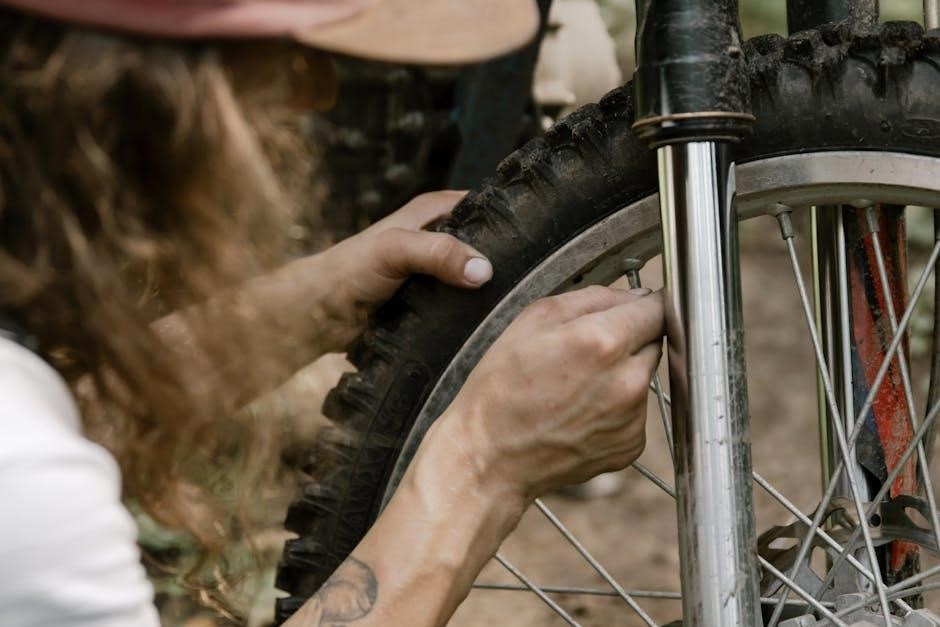
Key distinctions included its Campagnolo-style shifting levers, providing smoother and more precise gear changes, and often, a higher-quality saddle for enhanced comfort during longer rides. The Continental typically featured a narrower tire profile, reducing rolling resistance and increasing speed. It was marketed as a sporting bicycle, suitable for fast commuting, club rides, and even light racing, bridging the gap between recreational and performance-oriented cycling.
Schwinn Hornet: Lightweight and Agile
The Schwinn Hornet, introduced in 1964, distinguished itself as a lightweight and agile offering within the Schwinn lineup. Designed with a focus on speed and maneuverability, it catered to riders seeking a more spirited cycling experience. Its lighter steel frame, compared to heavier models like the Varsity, contributed significantly to its nimble handling.
The Hornet typically featured a narrower tire profile and a more aggressive riding position, enhancing its responsiveness. Often equipped with lightweight components, including handlebars and seatposts, it further reduced overall weight. Marketed towards younger riders and those prioritizing performance, the Hornet became a popular choice for commuting and recreational riding. It represented Schwinn’s attempt to capture a segment of the market desiring a sportier, more efficient bicycle.
Schwinn Bantam: A Popular Youth Model
The Schwinn Bantam, a mainstay in Schwinn’s production from the 1950s through the 1970s, was specifically designed as a robust and reliable bicycle for younger riders. Characterized by its smaller frame size and simplified components, the Bantam provided an accessible entry point into cycling for children and teenagers. Its durable construction ensured it could withstand the rigors of youthful adventures.
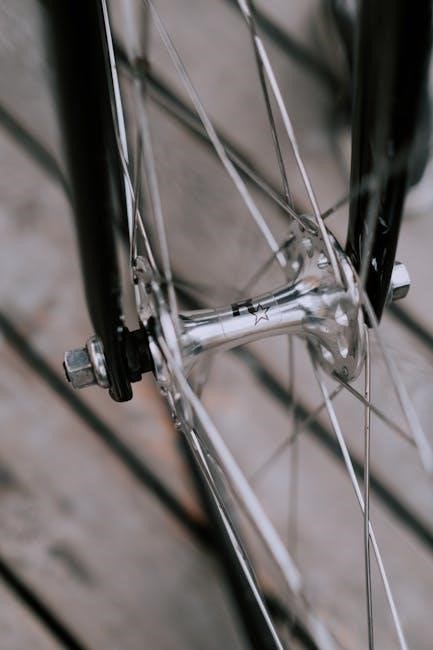
Often featuring a single-speed drivetrain and coaster brakes, the Bantam prioritized ease of use and low maintenance. The sturdy steel frame and dependable components made it a popular choice for everyday transportation and recreational riding. Available in a variety of colors, the Bantam’s appealing aesthetics further contributed to its widespread appeal. It became a symbol of childhood freedom and a beloved first bicycle for many.
Schwinn Bicycle Components
Schwinn bicycles, throughout their history, utilized a range of components reflecting evolving technology and rider demands. Core to every Schwinn was the frame, typically constructed from steel – varying in tubing quality from standard to lightweight alloys in later models. Drivetrains evolved from simple single-speed setups to multi-gear systems employing derailleurs and shifters from manufacturers like Shimano and Sachs.
Braking systems initially relied heavily on coaster brakes, particularly on youth models, transitioning to caliper and cantilever brakes for increased stopping power on adult bikes. Wheels consisted of steel or alloy rims laced to steel hubs, paired with tires suited to the intended riding style. Component quality varied significantly across Schwinn’s model lines, impacting performance and price point.
Schwinn Bicycle Frames: Materials and Construction
Schwinn frames predominantly utilized steel tubing, with variations in grade impacting weight and strength. Early models often featured standard steel, while mid-range bikes employed lighter-weight chromoly steel. Higher-end Schwinn frames, particularly those intended for racing or touring, incorporated Reynolds 531 or similar high-tensile steel alloys.
Construction methods included lugged construction, where tubes were fitted into lugs and brazed together, and seamless construction, offering a cleaner aesthetic and potentially greater strength. Frame geometry varied significantly between models, influencing handling characteristics. Schwinn also experimented with aluminum frames in later years, though steel remained the dominant material throughout much of their production history. Careful inspection reveals details about the frame’s origin and quality.
Schwinn Bicycle Drivetrains: Gears and Shifting
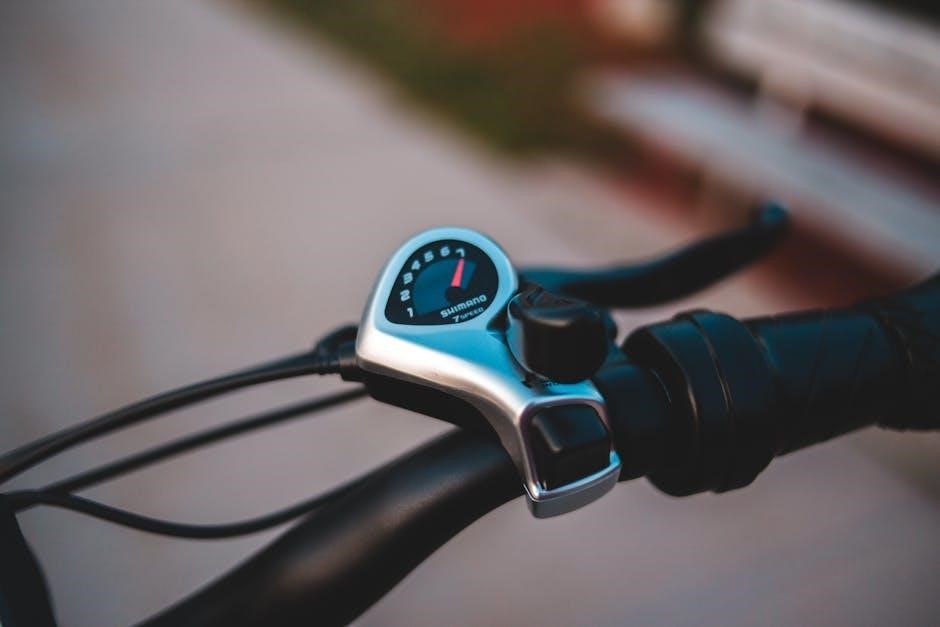
Schwinn bicycles historically employed a range of drivetrain components, evolving alongside industry advancements. Early models often featured single-speed drivetrains, while later bikes incorporated derailleur systems for multiple gears. These systems utilized components from manufacturers like Shimano and Sachs. Gear ratios varied depending on the intended use of the bicycle, with lower ratios for climbing and higher ratios for speed.

Shifting mechanisms progressed from rod-operated systems to cable-operated levers. Schwinn frequently used its own branded components alongside those from established suppliers. Maintaining proper derailleur adjustment is crucial for smooth shifting performance. Regular cleaning and lubrication of the chain, cassette, and derailleurs are essential for optimal drivetrain function and longevity, ensuring reliable gear changes.
Schwinn Bicycle Brakes: Types and Maintenance
Schwinn bicycles utilized various braking systems throughout their history, primarily caliper brakes and coaster brakes. Early models often featured simple rod-operated caliper brakes, while later bikes adopted cable-operated systems for improved stopping power. Coaster brakes, integrated within the rear hub, offered reliable and low-maintenance braking, particularly popular on youth and cruiser models.
Regular brake inspection is vital for safety. Check brake pads for wear and replace them when necessary. Ensure brake cables are properly tensioned and lubricated for smooth operation. Caliper brakes require periodic alignment to prevent rubbing. Coaster brakes need minimal maintenance, but the hub should be periodically inspected and greased. Properly maintained brakes are crucial for safe and controlled riding.
Schwinn Bicycle Wheels and Tires
Schwinn bicycles historically employed steel wheels, often with chrome plating for durability and aesthetics. Later models transitioned to alloy wheels for reduced weight and improved performance. Wheel construction typically involved 36 spokes, providing a balance of strength and ride quality. Tire selection varied based on the bicycle’s intended use, ranging from wide, balloon tires for comfort to narrower tires for speed.
Maintaining proper tire pressure is essential for optimal rolling resistance and handling. Regularly inspect tires for wear, cuts, and embedded debris. Check wheel trueness and have any wobbles addressed by a qualified bicycle mechanic. Ensure spokes are properly tensioned to prevent wheel failure. Correctly maintained wheels and tires contribute significantly to a safe and enjoyable riding experience.
Schwinn Bicycle Maintenance and Repair
Schwinn bicycle longevity relies on consistent maintenance. A basic checklist includes regular cleaning, lubrication of the chain and derailleurs, and brake adjustments. Inspect cables for fraying and replace as needed. Tire pressure should be checked before each ride, and tires inspected for wear. Periodically tighten all bolts and fasteners to prevent loosening during use.
Common issues include flat tires, brake malfunctions, and shifting problems. Learning basic repair skills, like patching a tube or adjusting brakes, can save time and money. For more complex repairs, consult a qualified bicycle mechanic. Restoration projects often involve cleaning, repainting, and replacing worn components, breathing new life into vintage Schwinn models;
Basic Bicycle Maintenance Checklist
Regularly clean your Schwinn with mild soap and water, avoiding harsh chemicals. Lubricate the chain, derailleurs, and brake cables with bicycle-specific lubricant. Check tire pressure before every ride – proper inflation improves performance and prevents flats. Inspect tires for cuts, bulges, or excessive wear.

Brake function is critical; ensure levers feel firm and brakes engage effectively. Tighten all bolts – handlebars, stem, seatpost, and wheels – to prevent loosening. Inspect cables for fraying or rust, replacing them when necessary. A quick visual check for loose parts or damage before each ride is vital. Following this checklist ensures a safe and enjoyable cycling experience on your Schwinn.
Troubleshooting Common Schwinn Bicycle Issues
Difficulty shifting gears often stems from a dirty or misadjusted derailleur; clean and realign it. Squealing brakes usually indicate worn brake pads or contaminated rims – replace pads or clean rims. A flat tire requires patching or replacing the tube, checking the tire for punctures.
Loose steering suggests a loose headset; tighten the headset bearings. Chain slipping can be caused by a worn chain or cassette – replace as needed. If the wheels are wobbly, check spoke tension and true the wheel. Regularly inspecting your Schwinn and addressing these common issues promptly will keep it running smoothly and safely, extending its lifespan and enhancing your riding pleasure.
Schwinn Bicycle Restoration Tips
Preserve originality whenever possible during restoration; sourcing correct parts is crucial. Begin by thoroughly cleaning the frame and components, removing rust with appropriate methods. Repaint the frame using period-correct colors, applying clear coat for protection. Rebuild wheels with new spokes and tires, ensuring proper tension and trueness.
Lubricate all moving parts – bearings, chains, and cables – for smooth operation. Replace worn components like brake pads, cables, and grips. Pay attention to decals and badging, carefully reapplying them for an authentic look. Document the process with photos, and enjoy the rewarding experience of bringing a classic Schwinn back to its former glory, honoring its history and craftsmanship.
Resources for Schwinn Bicycle Owners
Online forums and communities, like dedicated Schwinn groups, offer invaluable support, advice, and parts sourcing assistance. Websites specializing in vintage bicycles provide detailed information, guides, and restoration tips. Numerous Schwinn bicycle parts suppliers cater to enthusiasts, offering both original and reproduction components.
Accessing vintage Schwinn bicycle guides and original manuals is crucial for accurate restoration and maintenance. Online archives and libraries often host digitized versions of these resources. Consider joining local bicycle clubs to connect with fellow Schwinn owners and share knowledge. These resources empower owners to maintain, restore, and appreciate their classic Schwinn bicycles for years to come.
Online Schwinn Bicycle Forums and Communities
Schwinn-specific online forums are vibrant hubs for enthusiasts, offering a platform to connect, share knowledge, and seek assistance. These communities provide a wealth of information regarding identification, restoration, and maintenance of vintage Schwinn bicycles. Members frequently post detailed photos, serial number decoding assistance, and parts sourcing leads.
Active discussion threads cover a wide range of topics, from troubleshooting common issues to discussing the historical significance of various Schwinn models. Many forums feature dedicated sections for specific eras or bicycle types. Participating in these online communities fosters a sense of camaraderie and provides invaluable support for Schwinn owners of all experience levels, ensuring the preservation of these classic bikes.
Schwinn Bicycle Parts Suppliers
Locating original or reproduction parts for Schwinn bicycles can be challenging, but several suppliers specialize in catering to the needs of Schwinn enthusiasts. These suppliers offer a diverse range of components, including tires, tubes, saddles, handlebars, and even complete wheelsets. Many specialize in vintage Schwinn parts, offering hard-to-find items for restoration projects.
Online retailers often provide detailed parts diagrams and compatibility information, aiding in accurate selection; Local bicycle shops, particularly those with a long history, may also stock some Schwinn parts or be able to source them through their networks. When purchasing parts, verifying compatibility with your specific Schwinn model and year is crucial to ensure a proper fit and function, preserving the bicycle’s authenticity.

Vintage Schwinn Bicycle Guides and Manuals
Accessing original Schwinn guides and manuals is invaluable for restoration, maintenance, and understanding your bicycle’s history. These resources provide detailed specifications, exploded diagrams, and assembly instructions specific to each model year. Digitized versions of many original manuals are available online through enthusiast websites and archive platforms, offering convenient access to historical documentation.
Reproduction manuals are also available for purchase, providing a tangible resource for workbench reference. These guides often include valuable insights into period-correct components and maintenance procedures. Consulting these resources ensures accurate restoration and helps preserve the original character of your vintage Schwinn. Understanding the nuances of each model through these guides enhances the ownership experience.